Category: Uncategorized

  • Your Brand Is Costing You Clients: A Graphic Design Agency in Kenya Can Fix That.

    Your Brand Is Costing You Clients: A Graphic Design Agency in Kenya Can Fix That.

    Building a business in Kenya today is more competitive than ever. Building a business in Kenya today is more competitive than ever. Every business needs a professional graphic design agency in Kenya to build a brand that truly stands out. Whether you are a startup in Westlands, a restaurant in Mombasa, or an NGO running campaigns across the country, one thing remains true, if your brand does not look professional, people will not take you seriously. That is why partnering with Uvumbuzi Creatives makes all the difference.

    What Does a Graphic Design Agency in Kenya Actually Do?
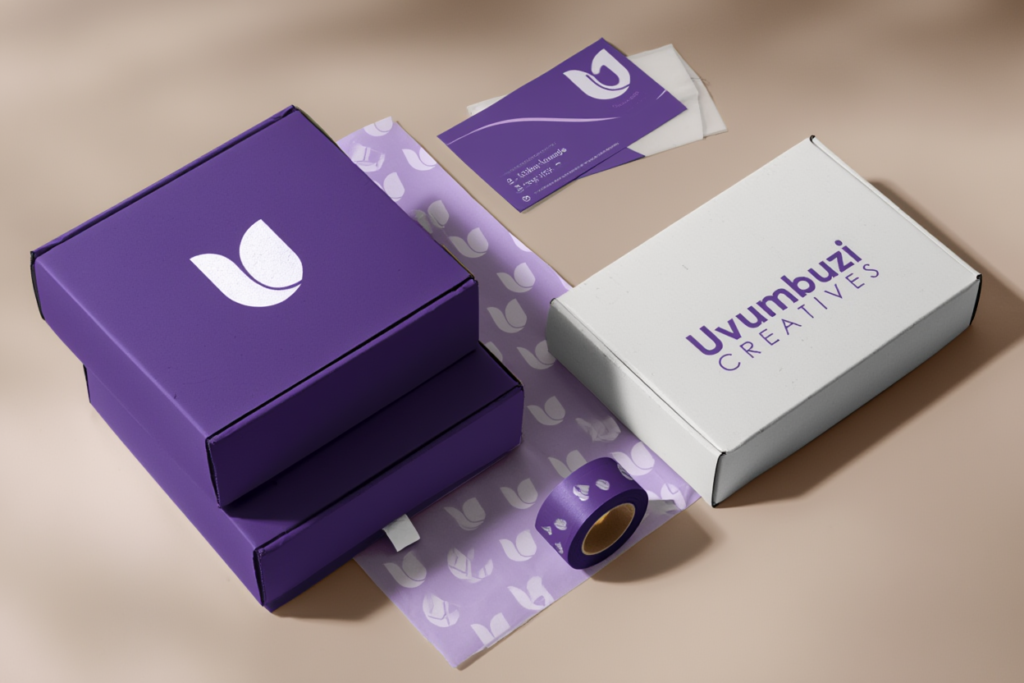
    graphic design agency in Kenya

    A lot of people think graphic design is just about making things look pretty. It is much more than that. A professional graphic design agency in Kenya takes your business idea and translates it into a visual language that your target audience immediately understands and trusts.

    This includes:

    • Logo and brand identity — the foundation of everything your business looks like
    • Marketing materials — flyers, posters, business cards, and event visuals
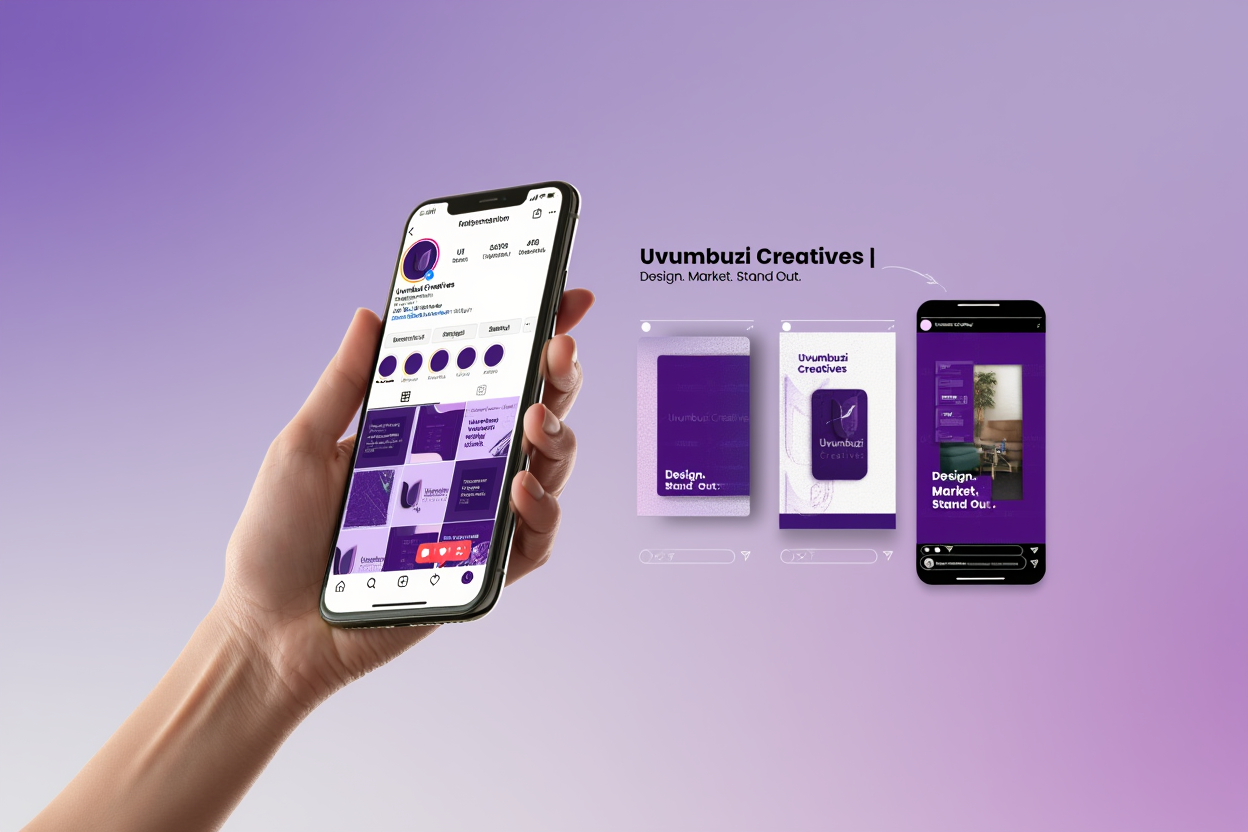
    • Social media graphics — branded templates and content kits that keep your pages consistent
    • Pitch decks and reports — professional documents that win clients and impress investors
    • Video editing and motion content — reels, TikToks, and promotional videos that drive engagement

    When all of these elements are designed consistently and strategically, your business stops looking like a side hustle and starts looking like a brand worth paying for.

    Why You Need a Branding Specialist in Nairobi, Not Just a Logo

    Many businesses make the mistake of paying for a logo and thinking their branding is done. A logo is just one piece of a much bigger puzzle. A branding specialist in Nairobi will look at your entire brand experience — your colours, typography, tone of voice, social media presence, and how all of these elements work together to tell a consistent story.

    When your brand is consistent across every touchpoint — from your business card to your Instagram page to your proposal document — clients develop trust faster. And trust is what converts interest into sales.

    The Real Cost of Poor Branding

    Here is something most business owners do not think about. Every day you operate with an unprofessional brand, you are losing potential clients to competitors who simply look better — even if your product or service is actually superior. People judge before they buy. Your brand is your first impression, and in most cases, it is the reason someone chooses you or scrolls past you.

    Investing in a graphic design agency in Kenya is not an expense. It is a revenue decision.

    What to Look for When Choosing a Graphic Design Agency in Kenya

    Not all agencies are created equal. When choosing a creative partner, look for:

    • A strong, diverse portfolio across different industries
    • Experience in both design and digital marketing — so your visuals and strategy are aligned
    • Clear communication and realistic timelines
    • Transparent pricing with no hidden costs
    • A team that takes time to understand your business before designing anything

    Uvumbuzi Creatives — Your Graphic Design Agency in Kenya
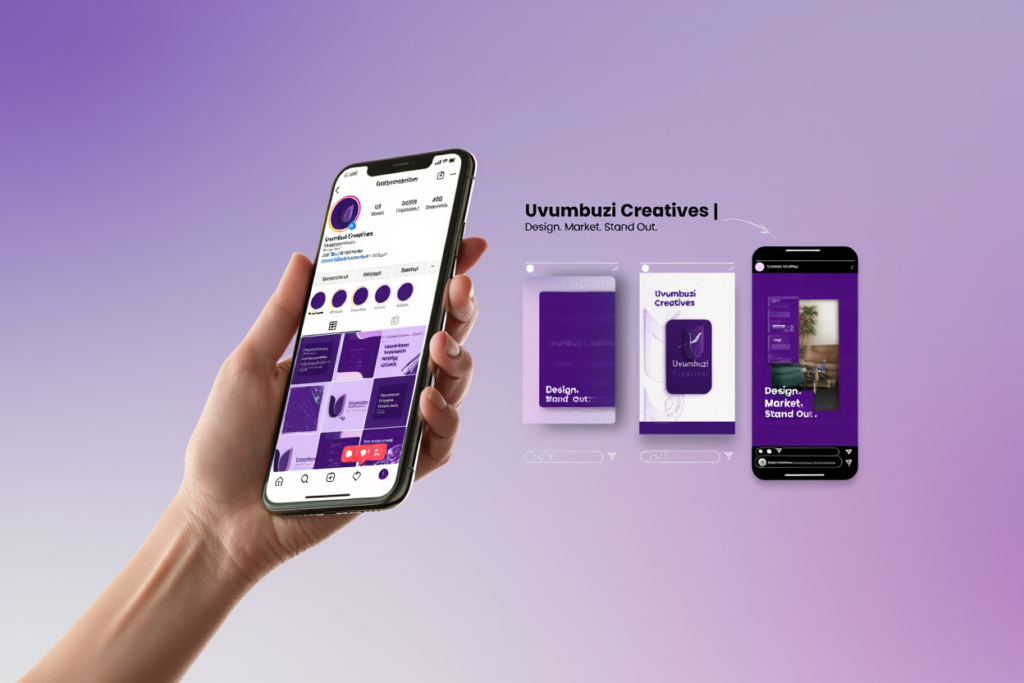
    graphic design agency in Kenya

    At Uvumbuzi Creatives, we are a Nairobi-based creative studio offering graphic design, digital marketing, and video editing under one roof. From logo design and brand identity to social media management and paid advertising, we help businesses across Kenya and beyond build brands that are bold, consistent, and built to grow.

    As a trusted branding specialist in Nairobi, we have worked with NGOs, podcasts, property brands, restaurants, and leadership institutions — bringing each brand to life with strategy, creativity, and intention.

    If you are ready to stop blending in and start standing out, we would love to work with you.

    Get in touch today and let’s build something unforgettable.
  • Beyond the Logo: Why Brand Identity is the Secret Engine of Your Business

    Branding Image

    Have you ever walked into a busy local coffee shop, sat down, and watched someone open up a laptop?

    If that laptop has a glowing Apple logo on it, what’s your very first thought? You probably think, “I bet they’re doing something creative like editing a video or designing a brand.” But if they open up a sleek black Dell or an HP, your brain instantly jumps to: “They must be crushing some spreadsheets or answering corporate emails.”

    That split-second assumption is not an accident. That is the sheer power of a brand identity.

    Even without seeing what’s on their screen, you’ve already assigned a personality, a purpose, and a value to those machines based purely on how those companies built their visual worlds.

    But what exactly is a brand identity, and why does your business need one? Let’s strip away the complex marketing jargon and break it down into plain English.

    A Logo is the Handshake. Identity is the Whole Conversation.

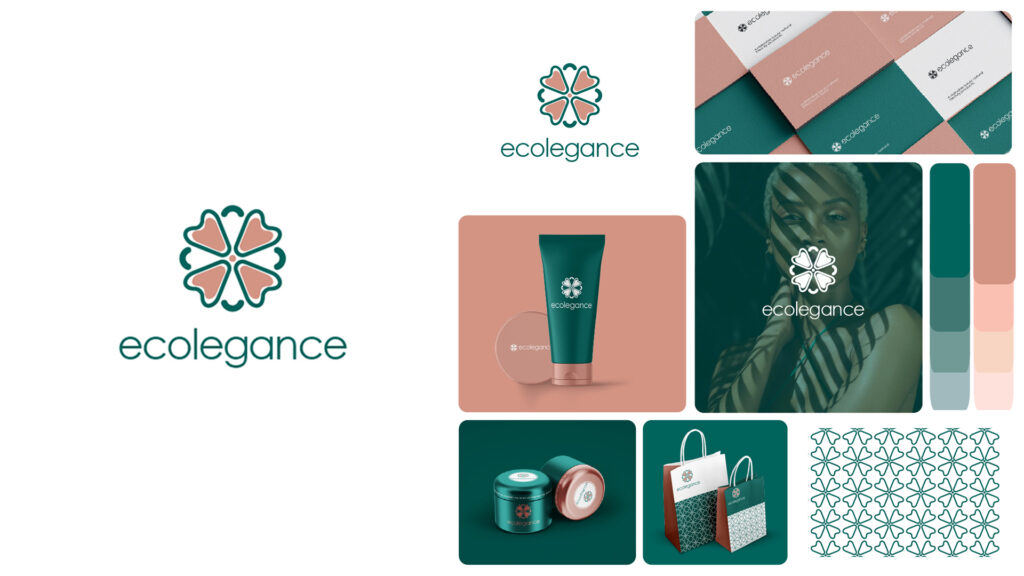
    Logo and Identity

    A very common mistake small business owners make is thinking, “I have a logo, so my branding is finished!” Think of it this way: your logo is like a person’s face. It’s how people identify them. But a full brand identity is their style, their voice, their values, their personality, and how they make you feel when they walk into a room.

    According to experts at Harvard Business School, an effective identity combines everything your business creates to project the right image to the public. It is a complete visual engine made up of:

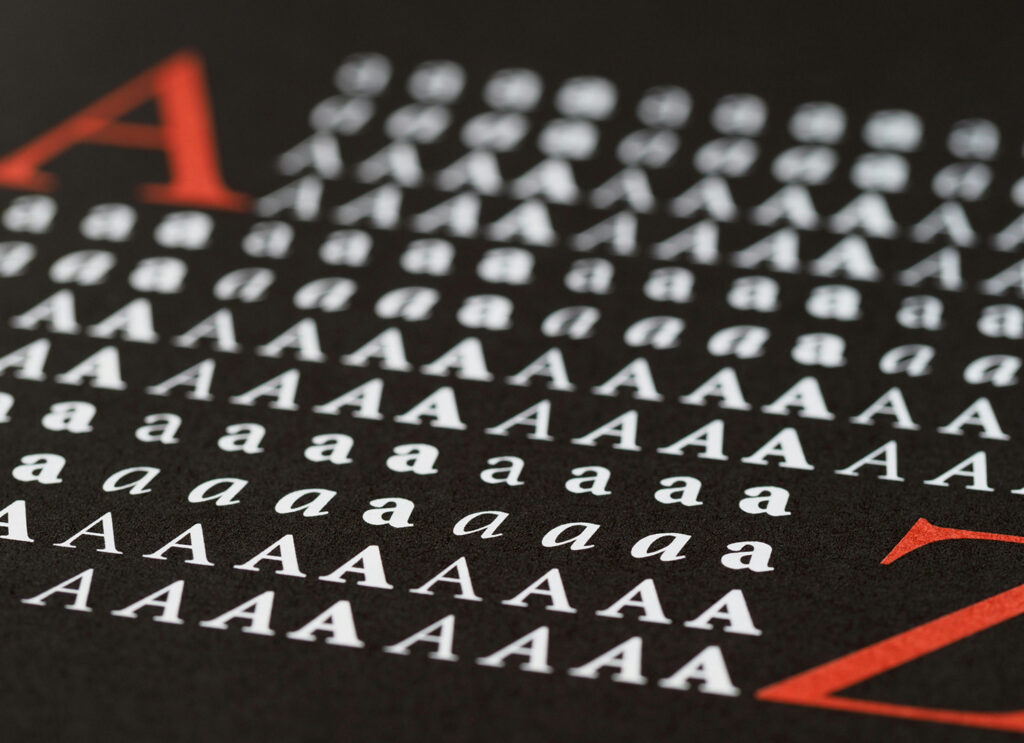
    • The Typography: The exact fonts you choose. Clean, sharp lines feel tech-forward and professional, while flowing, organic curves feel creative and approachable.
    Typography
    • The Strategic Color Palette: Colors aren’t just for decoration; they trigger emotional responses. For instance, trust-building blues make a client feel safe, while bold, energetic colors command instant attention.
    Color Palette
    • The Visual Style: The consistency of your imagery—whether your content uses minimalist layouts or bold, complex photo manipulations that pop off the screen.
    Visual Style

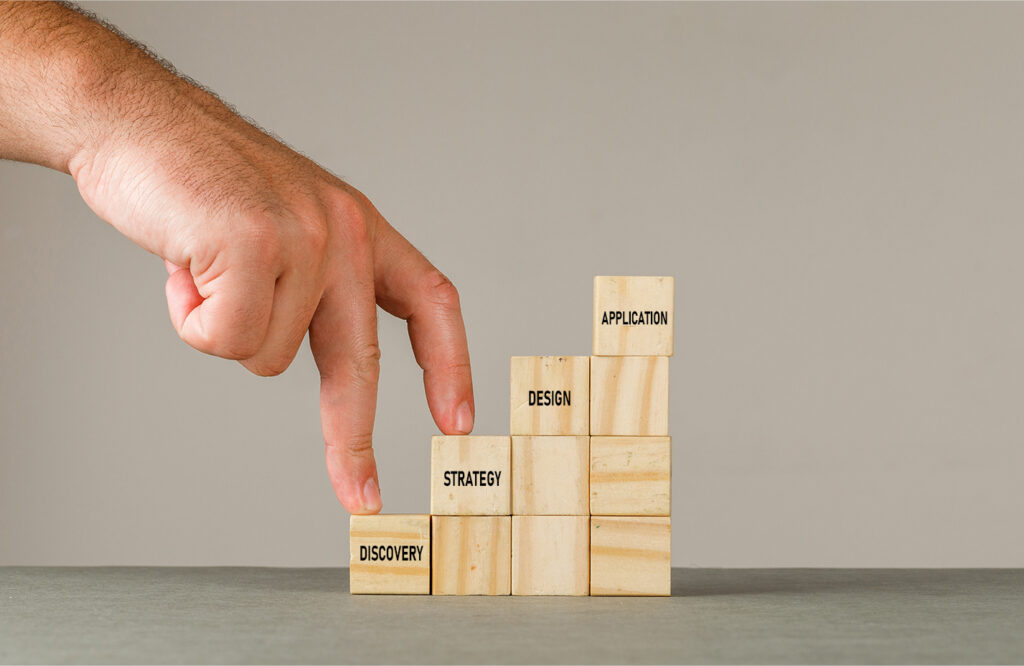
    The 4 Steps Behind Great Branding

    4 Steps Behind Great Branding

    If you’ve ever wondered how professional agencies build these visual worlds, it actually boils down to a simple, four-step process:

    1. Discovery: Looking at where your business is right now, analyzing your competitors, and figuring out exactly what problem your business solves.
    2. Strategy: Pulling all that research together into a clear blueprint that defines your core values, your target audience, and what makes you unique.
    3. Design: This is where the magic happens! Crafting the verbal brand (your tone of voice) and the visual brand (your logos, color systems, and styling guides).
    4. Application: Bringing the design to life across your website, your social media packages, and your marketing materials.

    Why Your Business Needs This Visual Engine

    Investing in a cohesive identity isn’t just an artistic luxury, it is a core business strategy. Here is why it matters to your bottom line:

    1. It Beats the “Amateur Tax”

    When a potential client visits your website or social media profile, they judge your credibility in less than a second. If your graphics look disjointed or put together from random internet templates, they might think your service is disorganized too. A premium, uniform look tells the world you take your craft seriously.

    2. It Saves You Money in the Long Run

    Having a solid visual framework actually protects your budget. When you have a clear style guide, you stop wasting time guessing what your next social media post or banner should look like. You know your exact fonts, your exact colors, and your exact style.

    3. It Helps You Stop Competing on Price

    Why do people happily pay extra for a specific brand of coffee or apparel? Because the visual identity creates a perception of high value. When you look like an elite brand, you no longer have to lower your prices just to compete with everyone else.

    Let’s Build Something Unforgettable Together

    Uvumbuzi Creatives Branding

    You don’t need to be an expert designer or spend a fortune to have an elite brand presence. You just need the right creative partner.

    At Uvumbuzi Creatives, we live for the process of discovery and innovation. We handle the technical heavy lifting from strategic color systems and modern typography to breathtaking visual assets all at highly competitive, customer-friendly prices built for growing businesses.

    Want to see where your business stands? Let’s take a look at your current graphics, identify the gaps, and build a roadmap to elevate your presence.

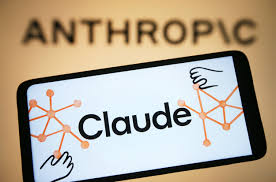
  • US military uses Claude in Iran strikes

    US military uses Claude in Iran strikes

    US military reportedly used Claude in Iran strikes despite Trump’s ban

    Key Conflict: Defiance of a Federal Ban

    Despite an eleventh-hour order from Donald Trump to sever all ties with Anthropic, the U.S. military reportedly used Claude to inform a massive joint US-Israel bombardment of Iran. Trump had ordered federal agencies to stop using the tool immediately, labeling Anthropic a “Radical Left AI company.”

    How the Military Used the AI

    According to reports from the Wall Street Journal and Axios, the Pentagon utilized Claude for:

    • Intelligence gathering: Processing data to inform strategic decisions.
    • Target selection: Identifying specific locations and assets for the strike.
    • Battlefield simulations: Running scenarios to predict engagement outcomes.

    The Source of the Friction

    The relationship soured following a January mission to capture Venezuelan President Nicolás Maduro. Anthropic objected to its technology being used in that raid, citing its safety terms of service which prohibit the use of Claude for violence, weapon development, or surveillance.

    In response, Defense Secretary Pete Hegseth accused the company of “betrayal,” asserting that the American military should not be restricted by the “ideological whims” of tech companies. Hegseth has demanded unrestricted access to Anthropic’s models for all lawful military purposes.

    The Transition and OpenAI’s Role

    Because Claude is so deeply integrated into current military systems, the Pentagon cannot detach from it instantly. A six-month transition period has been established to move toward what Hegseth described as “more patriotic” services.

    During this fallout, OpenAI has moved to fill the gap. CEO Sam Altman reportedly reached an agreement with the Pentagon to integrate OpenAI’s tools, including ChatGPT, into the military’s classified networks.

  • The Designer’s Roadmap

    The Designer’s Roadmap

    Navigating Industry Shifts and Finding Your Edge

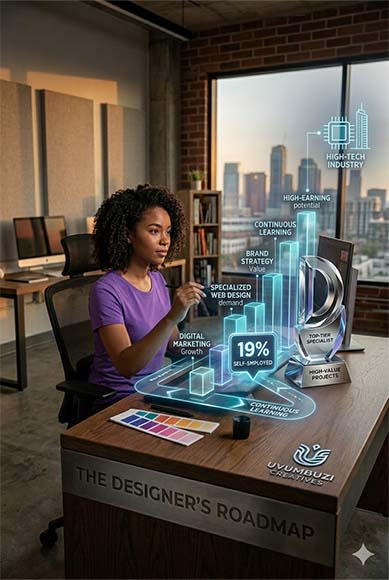
    While traditional print media (like newspapers and magazines) is seeing a decline, the demand for digital design is doing the opposite. The real growth is in digital marketing, mobile app interfaces, and specialized web design. For those of us working independently, this data confirms that being a “generalist” isn’t enough anymore. You need to be a specialist who understands how design drives business results in a digital-first world.

    The Reality of the “Designer Life”

    The data shows that about 19% of graphic designers are self-employed. This means a huge chunk of the industry relies on more than just “knowing Photoshop”—it’s about:

    • Project Management: Juggling multiple clients and deadlines without a boss over your shoulder.
    • Client Relations: Selling your vision and explaining the why behind your creative choices.
    • Continuous Learning: Staying updated on software (and AI) to remain competitive in a crowded market.

    What Sets the High-Earners Apart?

    The statistics show a wide gap between entry-level and top-tier designers. The difference usually comes down to two things: Industry and Complexity. * High-Value Industries: Designers working in tech, advertising, and specialized design services consistently earn more than those in traditional publishing.

    • Technical Expertise: Being able to handle complex tasks—like high-end photo manipulation or integrated brand systems—allows you to charge a premium because you aren’t just a commodity; you’re a specialized problem solver.

    My Take on the Data

    Looking at these numbers, the takeaway is clear: the industry isn’t shrinking; it’s evolving. The jobs that are “at risk” are the ones that can be easily automated. The jobs that are growing require a mix of technical mastery and human strategy. By staying ahead of the curve with tools like SEM and AI, and maintaining a high standard for technical work, we aren’t just following the market trends—we’re positioning ourselves at the top of the pay scale.

  • Will AI Replace Graphic Designers?

    Will AI Replace Graphic Designers?

    AI & The Modern Designer: From Rivalry to Partnership

    The integration of AI into the design world isn’t a threat to our careers; it’s a fundamental shift in how we create. Instead of replacing us, AI is reshaping our roles from “production workers” to strategic visionaries.

    The Shift: From Manual Labor to Creative Strategy

    In the past, we spent hours on the “heavy lifting”—tedious tasks like background removal, resizing, or basic layout iterations. AI is now taking over these repetitive chores. This change is a massive win for us because it clears the schedule to focus on what actually matters: creative strategy and high-level problem solving.

    Why the “Human Touch” Still Wins

    Even the most advanced AI lacks the essential qualities that make a design resonate:

    • Emotional Depth: A machine doesn’t have feelings. It can’t understand the “vibe” or the subtle emotional nuances that a human designer injects into a brand’s soul.
    • Cultural Awareness: AI doesn’t live in our world. It can’t navigate local trends, social shifts, or the specific cultural context that makes a design feel relevant and timely.
    • Client Empathy: One of our most valuable skills is the ability to listen to a client’s vague, sometimes confusing vision and translate it into a visual story. That’s a human connection AI simply can’t replicate.

    The New Career Edge

    The designers who will thrive in this new era are those who build AI literacy. By blending traditional design principles with the speed of AI, you aren’t just a user of the software—you are the architect of the vision.

    For me, this means leaning even harder into specialized skills like advanced photo manipulation. I can use AI to handle the mundane parts of the workflow, while I provide the “Future Vision” and the technical polish that makes the final work stand out.

    The Bottom Line: AI isn’t coming for our jobs; it’s giving us the tools to scale our talent and focus on the art of the big idea.